RSO Candies vs. RSO Lollipops: Understanding Absorption, Onset, and Bioavailability
Home / Blog / RSO Candies vs. RSO Lollipops: Understanding Absorption, Onset, and Bioavailability
When exploring Rick Simpson Oil (RSO) infused confections, consumers often treat all oral products as interchangeable. However, from a biological standpoint, an RSO soft chew or gummy operates through a completely different physiological pathway than an RSO lollipop or hard lozenge.
Understanding the distinction between gastrointestinal digestion and mucosal absorption is critical for setting expectations around onset time, effect intensity, and total duration.
The Science of Sublingual & Buccal Absorption (Lollipops)
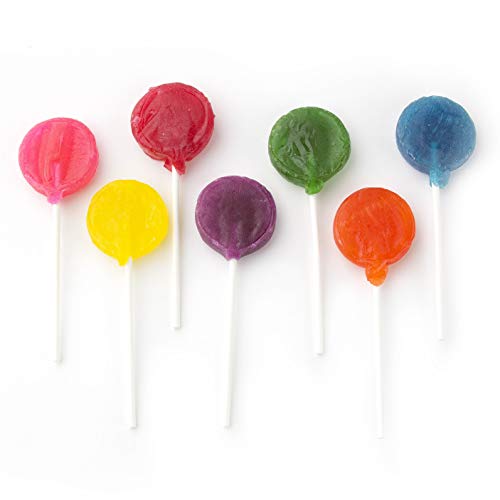
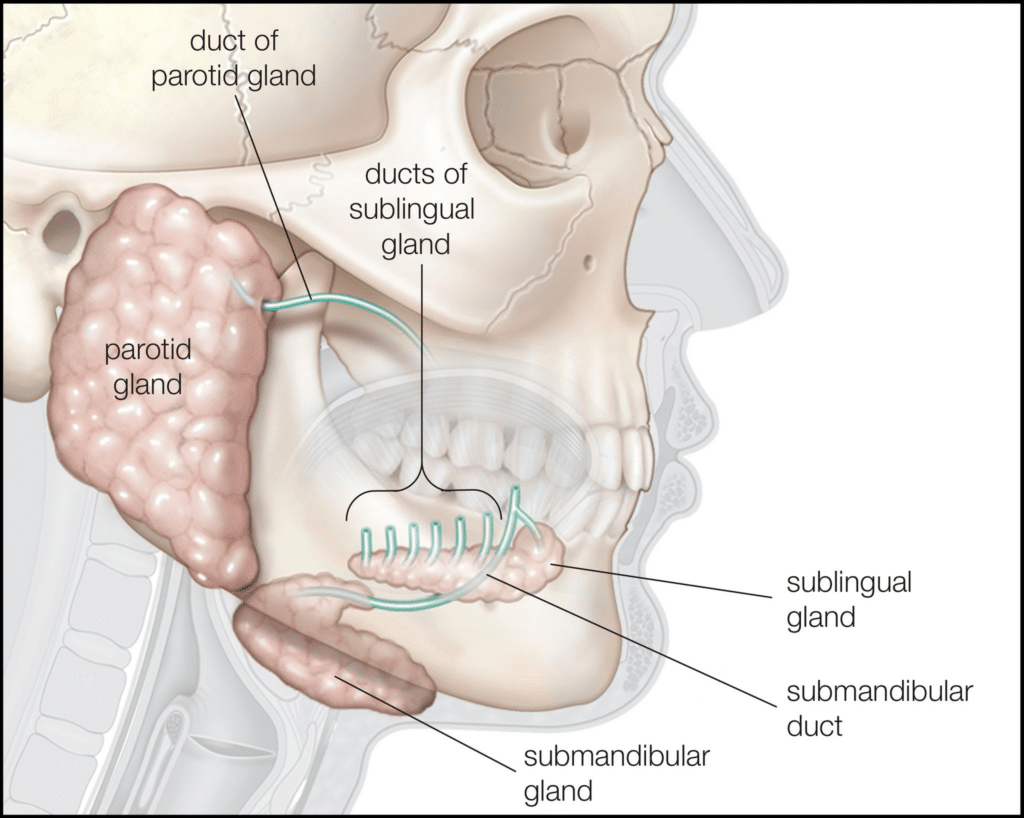
RSO lollipops and hard lozenges rely on slow dissolution inside the oral cavity. As the candy dissolves in saliva, active compounds interact directly with the rich network of blood vessels beneath the tongue (sublingual) and inside the cheeks (buccal).
Direct Bloodstream Access: Cannabinoid molecules pass through the thin mucosal membrane directly into the capillary bed. This allows active compounds to enter general systemic circulation without first passing through the digestive tract.
Bypassing First-Pass Liver Metabolism: By bypassing the liver during initial uptake, the body receives cannabinoids in their native form. This yields a faster onset—often setting in within 15 to 45 minutes—and produces a lighter, more predictable sensation per milligram.
The Dual-Phase Effect: Because salivation causes a portion of the dissolved lollipop to be swallowed, lollipops deliver a hybrid experience: an immediate wave from mucosal uptake followed by a secondary wave 1–2 hours later from liver metabolism.
The Science of Gastrointestinal Digestion (Gummies & Chews)
Chewable RSO products—including soft candies, gummies, and chocolates—are chewed briefly and swallowed directly into the stomach. This shifts the entire processing workload to the gastrointestinal (GI) tract and liver.
Hepatic Processing & Conversion: Once digested in the small intestine, cannabinoids travel via the hepatic portal vein directly to the liver. Liver enzymes convert a large portion of $\Delta^9$-THC into 11-hydroxy-THC.
Increased Potency & Duration: 11-hydroxy-THC crosses the blood-brain barrier more rapidly and binds to CB1 receptors with higher affinity than standard THC. While onset is delayed (typically 45 minutes to 2 hours), the resulting physical effects are significantly more intense and can last anywhere from 6 to 8+ hours.
Food Dependence: Bioavailability for swallowed edibles varies widely based on recent meals. Consuming a chewable candy alongside healthy fats dramatically enhances absorption, whereas an empty stomach can lead to erratic timing.
Side-by-Side Comparison
Feature
RSO Chews & Soft Candies
RSO Lollipops & Hard Candies
Primary Route
Gastrointestinal tract & liver
Sublingual/buccal mucosa + GI remainder
Onset Time
45 minutes to 2 hours
15 to 45 minutes
Primary Metabolite
11-Hydroxy-THC (high liver processing)
Native $\Delta^9$-THC + minor 11-Hydroxy-THC
Duration of Action
Extended (6 to 8+ hours)
Moderate (3 to 6 hours)
Bioavailability
~4% to 12% (dependent on digestion)
~13% to 25% (higher mucosal uptake)
Best For
Sustained overnight or all-day coverage
Rapid onset and manageable duration
Formulation & Taste Profiles
RSO is a full-spectrum extract containing dense concentrations of plant resins, lipids, and aromatic terpenes. These raw compounds create distinct manufacturing challenges for different candy styles:
Masking Bitter Terpenes: Because lollipops remain in the mouth for 10 to 15 minutes, formulators must use robust natural citrus or tart fruit flavorings to mask the earthy, bitter undertones of raw RSO. Soft chews are swallowed quickly, requiring less aggressive flavor masking.
Thermal Stability: Hard candy syrups must be boiled to high temperatures during cooking. To prevent heat degradation of delicate cannabinoids and terpenes, full-spectrum extracts must be incorporated into the candy matrix at precisely managed temperatures. Soft chews utilize gelatin or pectin bases that process at much lower temperatures, preserving sensitive compounds.